

-

- Inspiration Hub
- Interactive Tools
- Humm Finance
- Humm Finance
- Interior Design
- Sustainability
- Furniture Store of the Year 2025
- Podcast
- Care Plan
- About
- 38 Years In Business
- Wishlist
- Inspiration Hub
- About
- Interactive Tools
- 38 Years In Business
- Care Plan
- Podcast
- Sign in
- Find a Store
- Order direct: 0818 776688
- Contact us
- About us

 PROUD TO
  38 YEARS
 NATIONWIDE





-

- Garden Clearance
- Garden
- Garden
- Type
- Material
-
FREE DELIVERY on all garden furniture
- Sofas
- Chairs
- Tables
- Bedroom
- Mattresses
- Storage
- Storage by Type
-
- Accessories
- What's New?
- New In
-
- Special Offers
- Shop by Room
- Dining
- Living
-
- Brands
- Christmas Decorations
- Christmas Tree Decorations
- Tableware
- Christmas Candles & Candle Holders
- Soft Furnishings
- Store Locator
- Wishlist
- Humm Finance
- Inspiration Hub
- Interior Design
- Gift Card
-
Looking for the perfect gift?
Surprise someone special
with a gift card Buy Gift Card
 Check Your Gift Card Balance
-

- Gift Card
-
Looking for the perfect gift?
Surprise someone special
with a gift card- Buy Gift Card
- Check Your Gift Card Balance
-
- Podcast
- Sustainability
- Room Designer
- 37 Years In Business
- Sign in
- Find a Store
- Order direct: 0818 776688
- Contact us
- About us
How To Choose Your Perfect Mattress | Buying Guide
Mattress Buying Guide: How to Choose the Best Mattress for Your Sleep
Looking for the best mattress for you? Choosing the right mattress is one of the most important decisions you can make for your health, comfort and long-term wellbeing. We spend roughly a third of our lives in bed, yet many people replace sofas more often than they replace their mattress.
If you are waking with back pain, overheating at night or struggling with disturbed sleep, your mattress could be the cause.
This comprehensive mattress buying guide covers everything you need to know, including mattress types, firmness levels, boxed mattresses, motion isolation, temperature regulation and how often you should replace your mattress.
Why Your Mattress Matters
Quality sleep affects:
- Energy levels
- Mood and stress tolerance
- Recovery and muscle repair
- Focus and productivity
- Long-term spinal health
A mattress should keep your spine aligned in your natural sleeping position while relieving pressure at key points such as the shoulders and hips. Support and comfort must work together.
Step 1: Define Your Sleep Needs
Before browsing online or visiting a store, ask yourself:
- Do you wake with lower back or shoulder pain?
- Do you sleep hot?
- Does your partner’s movement disturb you?
- Are you buying for everyday use or a guest bedroom?
Your body weight, sleeping position and personal comfort preference all influence which mattress will suit you best.
If this is a master bedroom purchase, durability and proper spinal support are essential.
If it is for occasional guests, versatility and value may matter more.
Mattress Types Explained
A memory foam mattress moulds to your body shape using heat and pressure.
Understanding mattress construction makes choosing much easier.
Benefits
- Excellent pressure relief
- Strong motion isolation
- Good for side sleepers
- Helpful for back pain sufferers
Memory foam adapts to your body and reduces pressure points, which helps maintain spinal alignment. It is particularly useful for couples because it absorbs movement.
Considerations
Traditional closed cell foam can retain heat. If you tend to overheat, look for open cell or gel infused memory foam options.
Also known as standard sprung or Bonnell spring mattresses, open coil systems use interconnected springs.
Benefits
- Budget friendly
- Lightweight
- Easy to rotate
- Even weight distribution
These are often suitable for guest rooms or lighter use.
Considerations
Movement can transfer across the mattress because the springs are connected. They generally provide less contouring compared to pocket sprung mattresses.
For shared beds, the frame should be 10–15cm longer than the tallest sleeper, and the height should suit anyone with mobility considerations.
Pocket sprung mattresses contain individual springs wrapped in fabric pockets. Each spring works independently.
Benefits
- Reduced roll together effect
- Strong motion isolation
- Responsive support
- Suitable for couples
Pocket spring count contributes to support, but comfort layers and overall construction are just as important. A higher spring count does not automatically mean better comfort.
Gel Mattress and Cooling Technology
Gel infused mattresses are designed for temperature regulation.
Benefits
- Conduct heat away from the body
- Help reduce overheating
- Maintain pressure relief
Modern homes are often well insulated and warmer than ideal for sleep. The optimal bedroom temperature is around 18 degrees Celsius. Breathable fabrics, open cell foams and spring systems all help improve airflow.
Boxed Mattress
Boxed mattresses, also known as bed in a box mattresses, are compressed, rolled and delivered in compact packaging.
Benefits
- Convenient delivery
- Easier to transport upstairs
- Often vacuum packed for hygiene
- Quick setup
Once unboxed, the mattress expands to its full size within several hours.
What to Consider
- Quality of materials is key. Compression does not automatically mean lower quality, but cheaper boxed mattresses may use thinner comfort layers.
- Check the trial period and return policy.
- Look for clear warranty terms.
- Ensure adequate depth for proper pressure relief and durability.
Boxed mattresses are a practical solution for modern homes, but always assess construction, support system and lifespan before purchasing.
Choosing the Right Mattress Firmness
Firmness affects comfort and spinal alignment.
At EZ Living Interiors, mattresses are rated on a 1 to 5 scale:
Firmness Level Feel Best For Soft Deep cushioning, minimal push back Side sleepers Medium Soft Contouring with added support Combination sleepers Medium Firm Balanced comfort and support Back sleepers Firm Stable surface with minimal sink Front sleepers Extra Firm Very rigid support Specific support needs 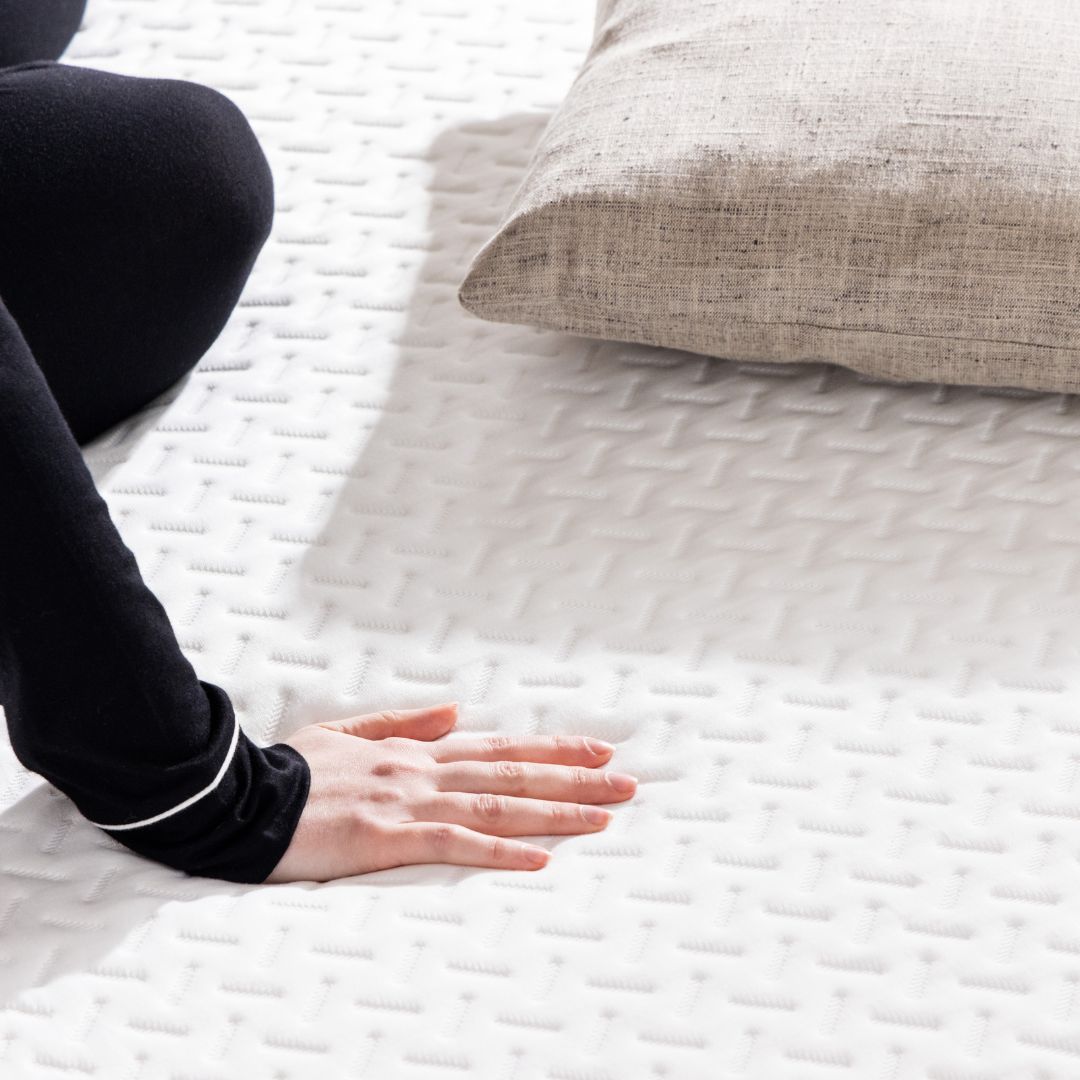
Best Mattress for Back Pain
If you suffer from back pain:
- Look for medium firm support
- Ensure adequate contouring
- Avoid excessive sagging
- Consider pocket sprung systems with reinforced centre support
A mattress should adapt to the natural curve of your spine without allowing your hips to dip too far.
If you have a diagnosed medical condition, always seek medical advice before choosing a specific product.
Best Mattress for Couples
If one partner moves frequently during the night:
- Choose a pocket sprung or memory foam mattress
- Test motion isolation in store
- Look for deep comfort layers
- Check edge support
Motion isolation prevents sleep disruption and improves overall sleep quality for both people.
How to Test a Mattress in Store
Do not judge a mattress by sitting on the edge.
When testing:
- 1. Lie down for several minutes.
- 2. Use your normal sleeping position.
- 3. Roll from side to side.
- 4. Test both soft and firm options.
- 5. Shop together if it is a shared bed.
Take your time. A mattress is a long-term investment.
How Often Should You Replace a Mattress?
A good quality mattress typically lasts 8 to 10 years.
Signs you need a new mattress:
- Visible sagging or dipping
- Feeling springs through the surface
- Increased aches and pains
- Squeaking noises
- Worsening sleep quality
Over time, comfort layers compress due to moisture and body weight. Even if it looks fine externally, internal support may be reduced.
Aftercare: How to Extend Mattress Lifespan
To protect your investment:
- Use a mattress protector
- Air the mattress when first delivered
- Rotate head to foot every three months during the first year
- Rotate every six months after that
Most modern mattresses are non flip, particularly pillow top designs. Flipping them is not recommended unless specified by the manufacturer.
Sustainability and Local Manufacturing
If environmental impact matters to you, consider:
- Locally manufactured mattresses
- Recycled fibre content
- Reduced transport emissions
- Long lifespan warranties
Brands such as King Koil and JOYA manufacture mattresses in Ireland, producing components such as springs and comfort layers locally. This can reduce carbon footprint and support local employment.

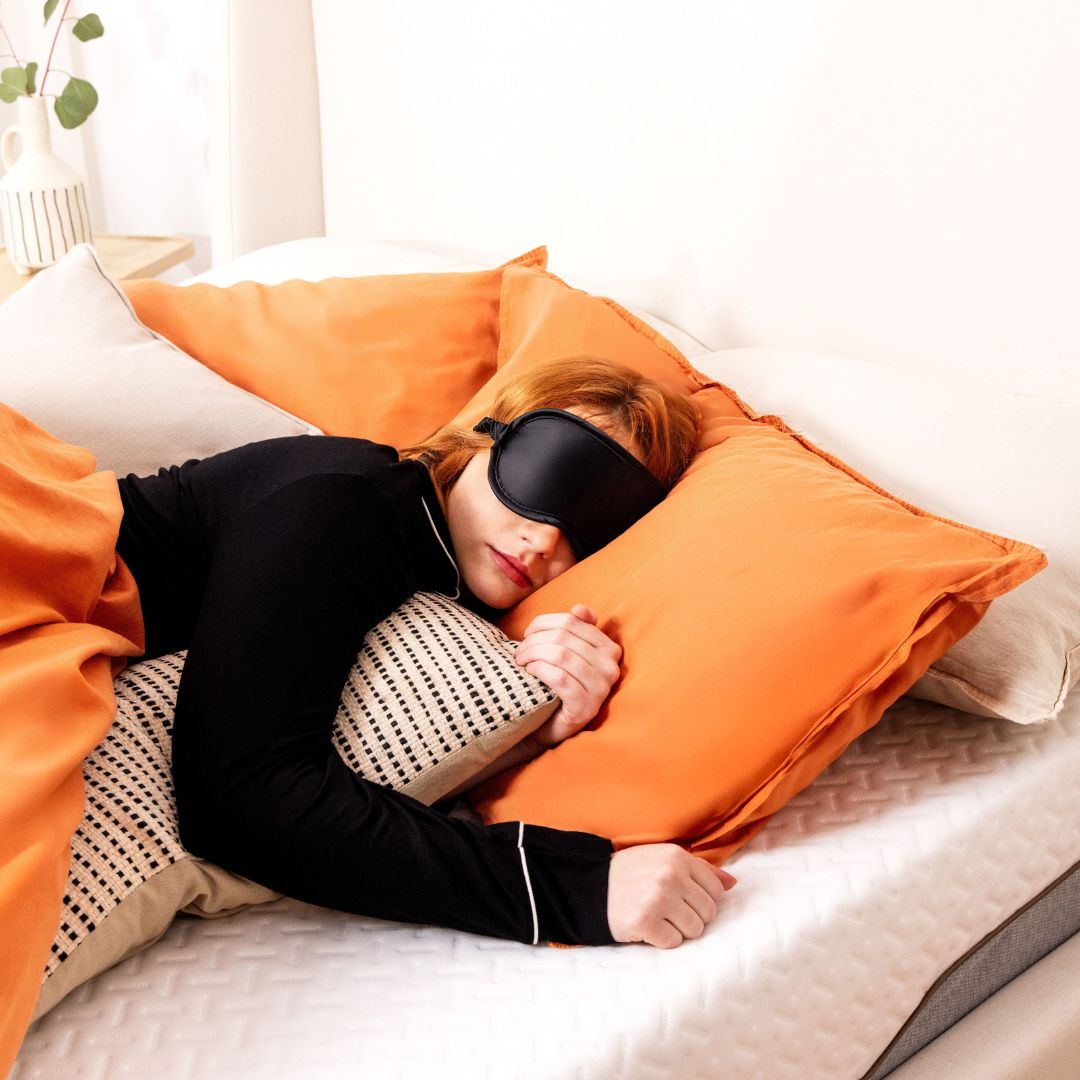
Three Simple Ways to Improve Sleep Tonight
To protect your investment:
- 1. Keep your bedroom temperature around 18 degrees Celsius.
- 2. Replace mattresses older than seven to eight years.
- 3. Maintain consistent sleep and wake times.
Stress remains the biggest sleep disruptor, but better sleep improves resilience and daily energy.
Final Thoughts: Invest in Rest
When choosing the best mattress in Ireland, focus on support, durability and suitability for your sleeping position.
The right mattress should still support you properly in eight years. If it will not, it is not good value regardless of price.
Sleep is not a luxury. It is foundational to how you live every day.
EZLiving Interiors Assistant
Loading chat…
Hi, I'm your personal shopping assistant!
Please enter your details to start the chat
Assistant is typing…Initializing…This chat has closed.
Are you sure you want to end this chat?